Lost pet poster: what to put on it so it really works
A big photo, a few words, a phone number: how to make a lost pet poster that people actually read, where to put it up and how to avoid scams.
Updated on November 18, 2026 · 4 min read
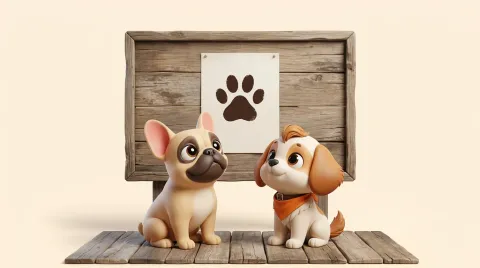
When a pet goes missing, a poster is still one of the most effective tools you have: the person who has seen your animal probably lives or walks within a few streets of you. But many posters are too small, too wordy or unreadable from two metres away. Here is how to make one that works.
A poster is read in a few seconds
Most people will see your poster while walking, cycling or driving past. They will not stop to read a paragraph. Design it for a glance: one headline, one photo, one phone number, and everything else in a supporting role.
A simple test: pin it up, take several steps back, and look at it for a moment. If you cannot tell what it is about, simplify.
What must be on it
- A headline in very large letters: 'LOST DOG' or 'LOST CAT'. This is what catches the eye.
- One large, clear, recent colour photo, in good light, showing the whole animal. One good photo is better than four small ones.
- Where and when: the street or neighbourhood, and the date of the disappearance.
- Two or three distinctive features: size, colour, collar, a white paw, a kinked tail. 'Small black and tan dog' is often more useful than a breed name few people can picture.
- A phone number in large digits, ideally one that is answered day and night. Tear-off strips at the bottom help people who have nothing to write with.
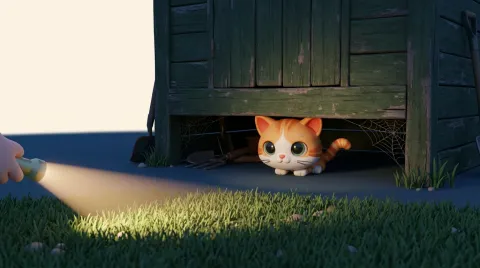
- One instruction, if it is useful: 'Do not chase, call us' for a fearful dog, 'Please check your sheds and garages' for a cat.
What to leave off
- Long text: their life story and their personality will not help anyone recognise them.
- Your name and home address: a phone number is enough.
- The microchip number: write 'microchipped' if you like, but keep the number to yourself.
- The amount of a reward: whether to mention a reward at all is your choice; if you do, do not give a figure.
- One distinguishing detail: keep at least one mark or feature private (a scar, a spot on the belly, the pattern of the collar). It will let you check that a caller really has your animal.
Protect yourself from scams
Sadly, lost pet notices also attract dishonest people. The usual pattern: someone claims to have your pet and asks for money for transport or vet fees, or asks you to read out a code you have just received by text message. A few rules protect you:
- ask for a photo of the animal, and for the detail you kept private;
- never pay anything and never share a code before your pet is physically in front of you;
- arrange to meet in a public place, or better, at a vet clinic where the microchip can be read.
Where to put your posters
Start from the place where your pet disappeared and work outwards:
- junctions, pedestrian crossings and bus stops, where people stand and wait;
- shops, bakeries, pharmacies, vets, groomers and pet shops: ask to put one in the window or on the counter;
- schools, parks and the places where people walk their dogs;
- the letterboxes of the nearest streets, as a small flyer.
Put posters at eye level, slip each sheet into a plastic sleeve with the opening at the bottom to keep the rain out, and replace the ones that fade. The rules on putting up notices in public spaces vary from town to town: ask for permission where it is needed, and never cover road signs.
When your pet is home, take every poster down. It is a courtesy, and it keeps people attentive to the next lost animal.
Share the same card online
Post the poster itself, as an image, in local social media groups, on lost-and-found pet websites and in neighbourhood apps. Images are passed on without the text that came with them, so the image must contain everything: photo, place, date, phone number.
In the text of the post, name the town and the neighbourhood so that people nearby can find it. Ask people to share rather than just react, reply to messages quickly, and update the post when there is news. When your pet is found, say so clearly, so that people stop looking.
Create the card with Medika
Medika generates a 'lost pet' card directly from your animal's profile, ready to share on social media or to print. Because the information is already in their record, along with the microchip number you will need for your phone calls, you save precious time on a day when every hour counts. Preparing is simple: keep a recent, clear photo and the distinctive features up to date in the profile.
This article is for information only and does not replace the advice of a veterinarian. If you have any doubt about your pet's health, consult a professional.